
Practical new-build snagging decorating in Southampton
Almost every new-build we look at in Southampton has the same problem: two thin coats of developer contract emulsion that flashes, patches when cleaned and marks the moment anything touches it. The fix is a full-strength trade emulsion, not another thin overcoat.
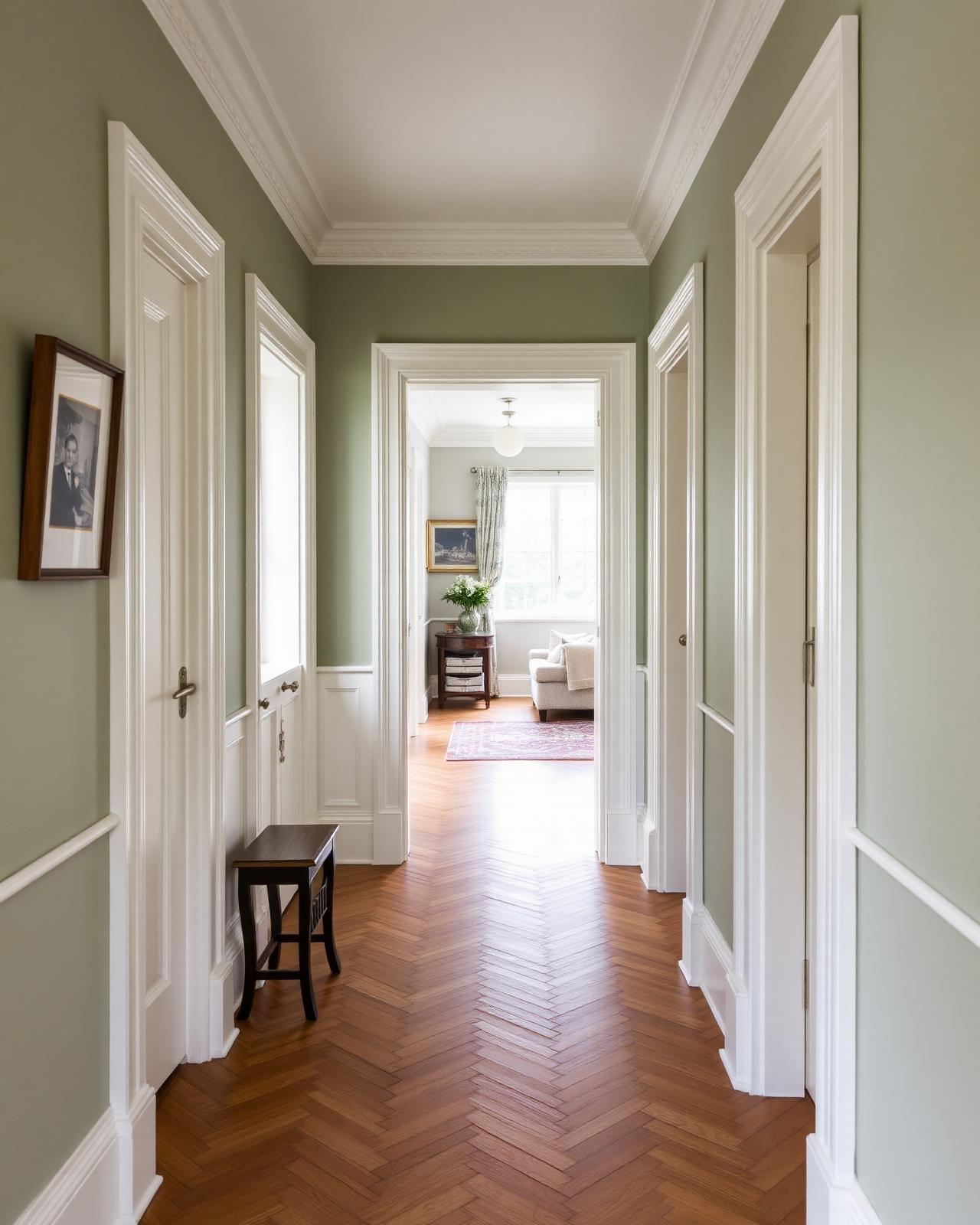
Track record on modern estates
- Weekend / evening scheduling for occupied family homes
- Careful floor protection over new engineered flooring and carpet
- Regular new-build repaints on developments across the region
- Confident cutting in around joinery and reveals without masking marks

New-build paintwork usually needs specification, not defect-hunting. A short walk-round tells us which rooms need full repaint and which just need a cut-in fix.
Details worth sorting first
Colour choice — matt is easiest to touch up long-term; scuff-resistant costs more
Whether to repaint pre-move-in or once furniture is out of the boxes
Order of rooms so you keep one bedroom and one living space useable
Skirting and architrave — repaint in situ or take off for a factory finish
Whether wallpaper feature walls are wanted at the same visit
Local plot-type context
Edwardian and inter-war housing in Portswood and Highfield, dockside high-rise apartments around Ocean Village and Centenary Quay, plus 1960s commercial stock on Above Bar.
Audience: New-build owners and developers dealing with snagging paintwork within the two-year defect period.
Coverage across new-build clusters
Cruise-terminal traffic and the Itchen Bridge tolls shape our scheduling — early starts before peak make a real difference on city-centre jobs.
- Ocean Village
- Bitterne
- Shirley
- Portswood
- Bassett
- Woolston
Trade emulsion, applied properly
The things worth confirming
Should we use scuff-resistant emulsion?
In hallways, stair walls and family living rooms it usually pays back; in bedrooms a standard trade matt is cheaper and just as easy to touch up.
Do you cover developer snag lists?
We can fold the developer's list into the repaint scope and photograph the outcome so you have evidence for the defect-period submission.
Will you protect the new flooring?
Yes — full board and sheet protection over any engineered or LVT floor, and taped cardboard on carpet edges where trade traffic runs.
How long does a typical three-bed repaint take?
3–5 working days pre-move-in, 5–8 when furniture is in and rooms need to be worked around. Skirting and doors add 2 days depending on how many rooms.
Continue planning the repaint
From room list to schedule
New-build paintwork usually needs specification, not defect-hunting. A short walk-round tells us which rooms need full repaint and which just need a cut-in fix.
Arrange a room-by-room walk-roundPlanning a commercial painting or decorating project?
Speak to a Hampshire commercial decorating contractor that turns up, communicates clearly and delivers a finish that lasts.