
Specification and comparisons

Choosing between matt, eggshell and satin on walls

Three painted wall samples in matt, eggshell and satin sheen under the same light.

Sheen level on walls is a practical decision dressed up as a style one. Matt hides surface imperfections best but marks more easily, satin wipes clean but shows every dent and roller line, and eggshell sits between the two. Picking by room use first and look second avoids repainting a hallway within a year.

Questions we are asked about this

Can different rooms have different sheens in the same colour?

Yes, and this is common — the same base colour can be supplied in matt, eggshell or satin bases so the tone stays consistent while sheen varies by room.

Does a higher sheen need better wall preparation?

Yes. Reflective finishes show sanding marks, filler joints and roller stipple that matt would largely hide, so plan for a finer finish underneath.

Which sheen is easiest to touch up later?

Matt is generally the most forgiving to spot-touch without a visible patch, because there is little reflection to mismatch.

Matt: forgiving on the wall, less forgiving on wear

A dead flat matt is the most flattering finish over an imperfect wall because it scatters light rather than reflecting off high spots. The trade-off is that scuffs and finger marks sit visibly on the surface and cannot always be spot-cleaned without a slight sheen difference showing.
Eggshell: the middle ground for family areas

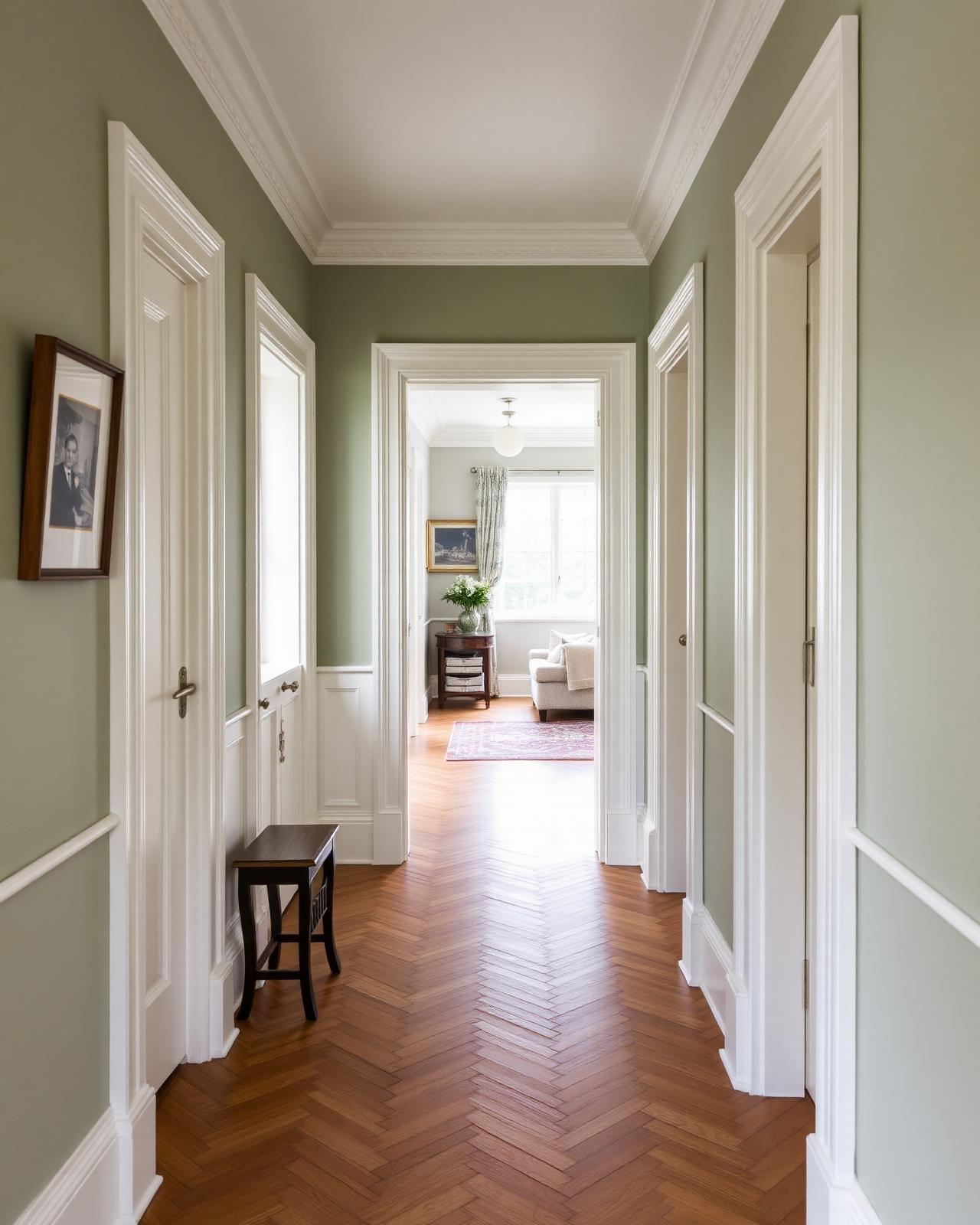
A soft eggshell gives enough sheen to wipe marks off without the mirror-like reflection that highlights every wall imperfection. It has become the default for hallways, kitchens and children's rooms where some cleaning is expected but a fully reflective wall is not wanted.

  • Wipes cleaner than matt without the full reflectivity of satin
  • Shows plaster imperfections less than satin does
  • A sensible middle choice where the room use is mixed

Satin: durable but unforgiving

Satin resists knocks and cleans well, which suits busy communal areas, but its higher reflectivity shows every roller stipple, dent and patch repair under raking light. Walls specified in satin need a higher standard of surface preparation to look right rather than just to be durable.

  • Best suited to well-prepared, flatter walls
  • Shows sanding marks and joints more than lower sheens
  • Wipes clean repeatedly without dulling as quickly as matt

Matching sheen to how the room is actually used

A specification should record sheen per room based on wear and cleaning frequency, not as a single blanket choice for the whole property. A living room ceiling and a boot room wall have very different demands, and naming the sheen against each area avoids assumptions during pricing.

How we work on this

  • We recommend sheen by room use, not as a single house-wide default
  • We flag where a chosen sheen will demand extra surface preparation
  • We keep sheen and colour references recorded for future touch-ups
A family hallway wall showing light scuffing near a light switch.

Tell us how each room is used day to day and we will suggest a sheen schedule before you order paint.

Sheen should follow how hard a wall works, not just how a sample looks on a card.

Start your project

Planning a commercial painting or decorating project?

Speak to a Hampshire commercial decorating contractor that turns up, communicates clearly and delivers a finish that lasts.