
Maintenance and recoat cycles

Maintaining handrails and balustrades between repaints

Close inspection of a handrail fixing point showing early signs of corrosion beneath the coating.

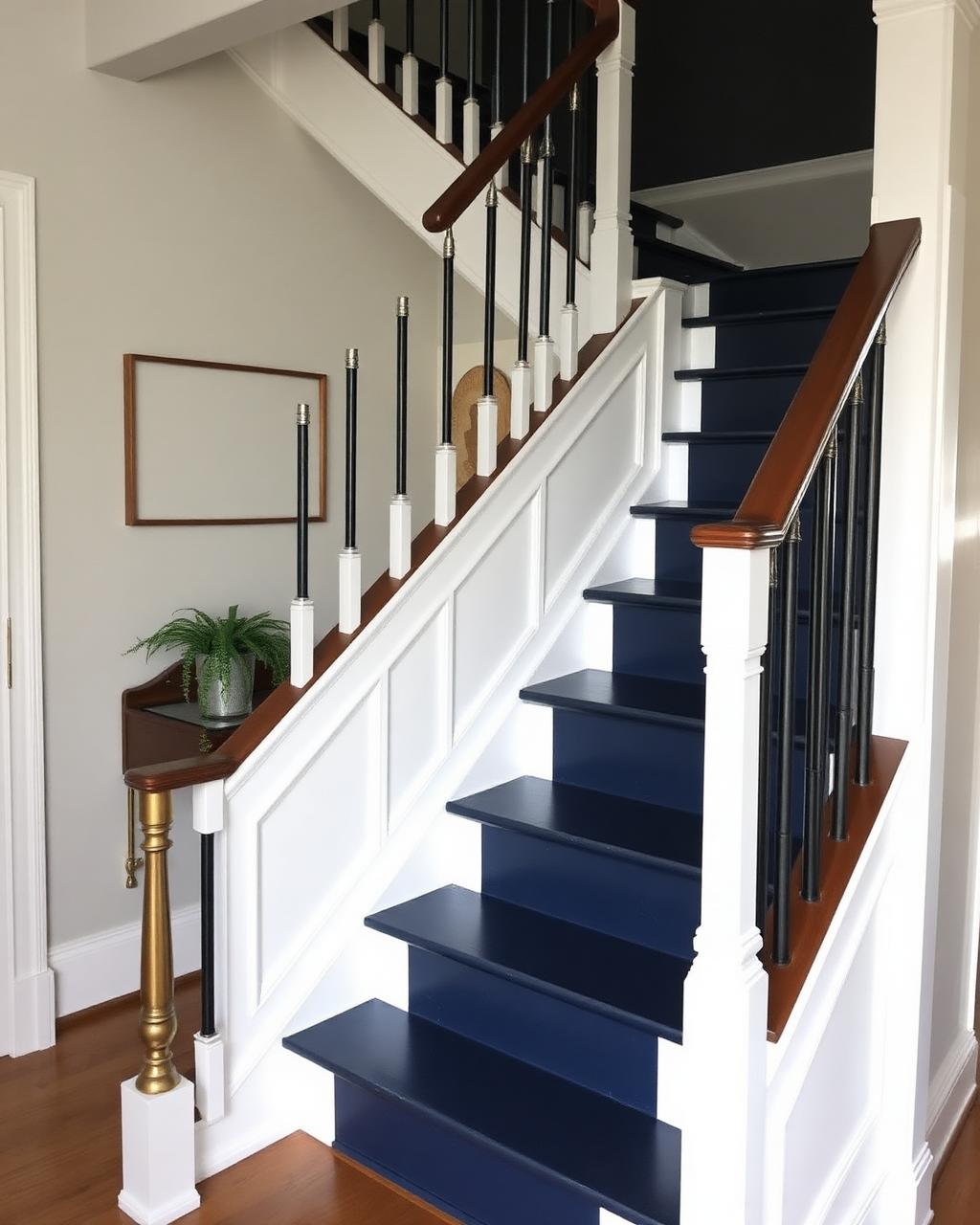
Handrails and balustrades combine two demands that most other painted surfaces do not face together: constant hand contact and, in many settings, direct weather exposure. Between full repaints they need their own inspection routine focused on corrosion, grip and the security of fixing points.

Where corrosion starts on metal rails

Corrosion on painted metal handrails almost always begins at a fixing point, a weld, or a scratch through the coating, rather than across an open flat surface. Checking these specific points regularly catches early corrosion before it undermines the coating over a wider area.

  • Fixing points and welds checked before general surface condition
  • Scratches through the coating treated promptly, not left to spread
  • Base plates and ground contact points checked for standing water
Grip and touch quality, not just appearance

A handrail's finish affects how it feels to grip as much as how it looks. Sheen build-up, chipping at the point most commonly gripped, or a rough repaired patch all affect usability, which matters more on a handrail than on almost any other painted surface in a building.

External balustrades and weather

Balustrades exposed to weather need checking more often than internal handrails, particularly at horizontal surfaces where water sits and vertical balusters where wind-driven rain concentrates. A coating that holds up well on a sheltered internal rail may need a different specification outside.

  • Horizontal top rails checked for standing water first
  • Vertical balusters checked at their base fixing into decking or paving
  • Exterior specification reviewed separately from internal handrails

Questions we are asked about this

How often should handrails be checked compared with walls?

More often, particularly at fixing points and welds where corrosion typically starts. A quick visual and tactile check every few months is worth doing on high-use rails.

Should external balustrades use a different paint system to internal handrails?

Generally yes, since weather exposure and standing water risk are different, and a system chosen for a sheltered internal rail may not perform as well outside.

What is the first sign a handrail needs attention?

A small scratch, chip or scuff at the most commonly gripped point is usually the earliest sign, well before any wider corrosion becomes visible.

External balustrade with standing water on a horizontal top rail checked during a maintenance visit.

Ask for a handrail and balustrade check next time your communal areas are inspected.

Handrails and balustrades need their own inspection routine, focused on fixing points, grip quality and weather exposure.

Start your project

Planning a commercial painting or decorating project?

Speak to a Hampshire commercial decorating contractor that turns up, communicates clearly and delivers a finish that lasts.