
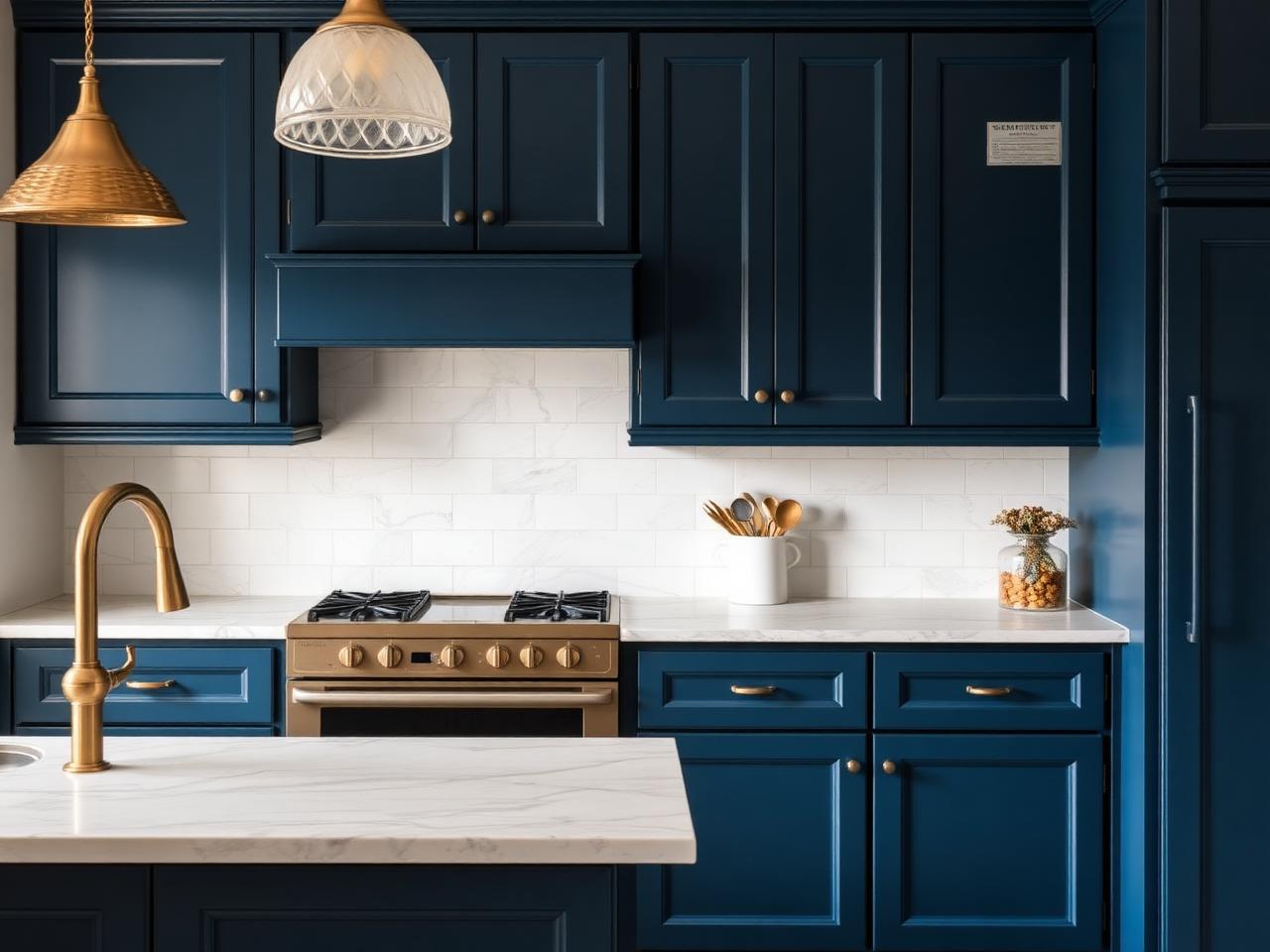
Kitchen respray cost explained
How much to spray a kitchen depends on the kitchen. This page explains what moves the price of a kitchen respray, so you can judge a quote and decide whether spraying or replacing makes more sense for you.
Spraying versus replacing
Respraying is a cost-effective alternative to replacing a kitchen. The carcasses, worktops, appliances and plumbing stay where they are, so there is no ripping out, no new fitting and no weeks without a kitchen. A typical respray takes 3 to 5 working days, with doors and panels removed, masked, hand-sprayed in two-pack lacquer and reassembled.
The main cost drivers
The biggest factor is the number of doors, drawer fronts and panels. After that comes the door style: flat slab doors are quicker than shaker or in-frame doors with mouldings to prepare. Then preparation: chips, water damage around the sink, swollen edges and grease near the hob all take time to put right.
- Number of doors, drawers and panels
- Door style: slab, shaker or in-frame
- Repairs and degreasing
- Colour change and number of colours
- Island, end panels and plinths
- Cornice, pelmet and extra items
Colour choices
A single colour throughout is simplest. Two-tone schemes, such as a dark island with light wall units, add masking and colour changes. We offer bespoke colour matching, so the colour you choose from a paint brand can be matched rather than picked from a short list.
Kitchen door spraying cost on its own
Some people only want doors sprayed, leaving carcasses as they are. That can reduce the price, but the inside edges and carcass fronts visible around the doors may then look mismatched. We will tell you honestly where a partial respray will look right and where it will not.
Surfaces that affect suitability
Solid timber, painted MDF and many foil-wrapped or laminate doors can be sprayed with the right preparation. Foil that is already peeling must be dealt with first. Checking door material is part of the quote, because it decides the preparation needed.
Getting an accurate quote
Send photos of the whole kitchen and close-ups of any damage, with a rough count of doors and drawers. We provide a free, itemised quote. See the kitchen cabinet refinishing page for how the process works day by day.
Extras that add up
Beyond the doors, items such as end panels, plinths, cornice, open shelving, a dresser or larder unit and the inside of glazed cabinets all add time. Changing handles is easy to combine with a respray, and filling old handle holes for a new handle size is done before spraying. Listing everything you want included at the start makes the quote accurate and avoids surprises.
Value for money
Spraying keeps everything that still works in the kitchen. Where carcasses are sound and the layout suits you, a respray changes how the room looks for a fraction of the disruption of a new kitchen.
What is not included
A respray changes the finish of doors, drawer fronts and visible panels. Worktops, appliances, sinks and tiling are left as they are, and replacing hinges, runners or damaged carcasses is quoted separately if needed. That clarity helps you compare a respray against a new kitchen fairly, because like-for-like you are only paying to transform the parts you see.
Related pages
Common questions
Is spraying cheaper than a new kitchen?
Respraying is a cost-effective alternative to replacement because the carcasses, worktops and appliances stay in place.
How long does a kitchen respray take?
Typically 3 to 5 working days, including removal, masking, spraying and reassembly.
Does a two-tone kitchen cost more?
Usually a little, because of extra masking and colour changes.
Can laminate or foil doors be sprayed?
Many can, with the right preparation. Peeling foil must be dealt with first, which we check when quoting.
Planning a commercial painting or decorating project?
Speak to a Hampshire commercial decorating contractor that turns up, communicates clearly and delivers a finish that lasts.