Industrial painting
Industrial painting protects working buildings and equipment as much as it improves their appearance. Factory interiors, plant rooms, structural steel, pipework and storage tanks each face their own mix of abrasion, moisture, chemicals and heat, so the coating is chosen for the conditions rather than the colour chart, and the work is planned around production, shutdowns and site safety rules.
What industrial painting covers
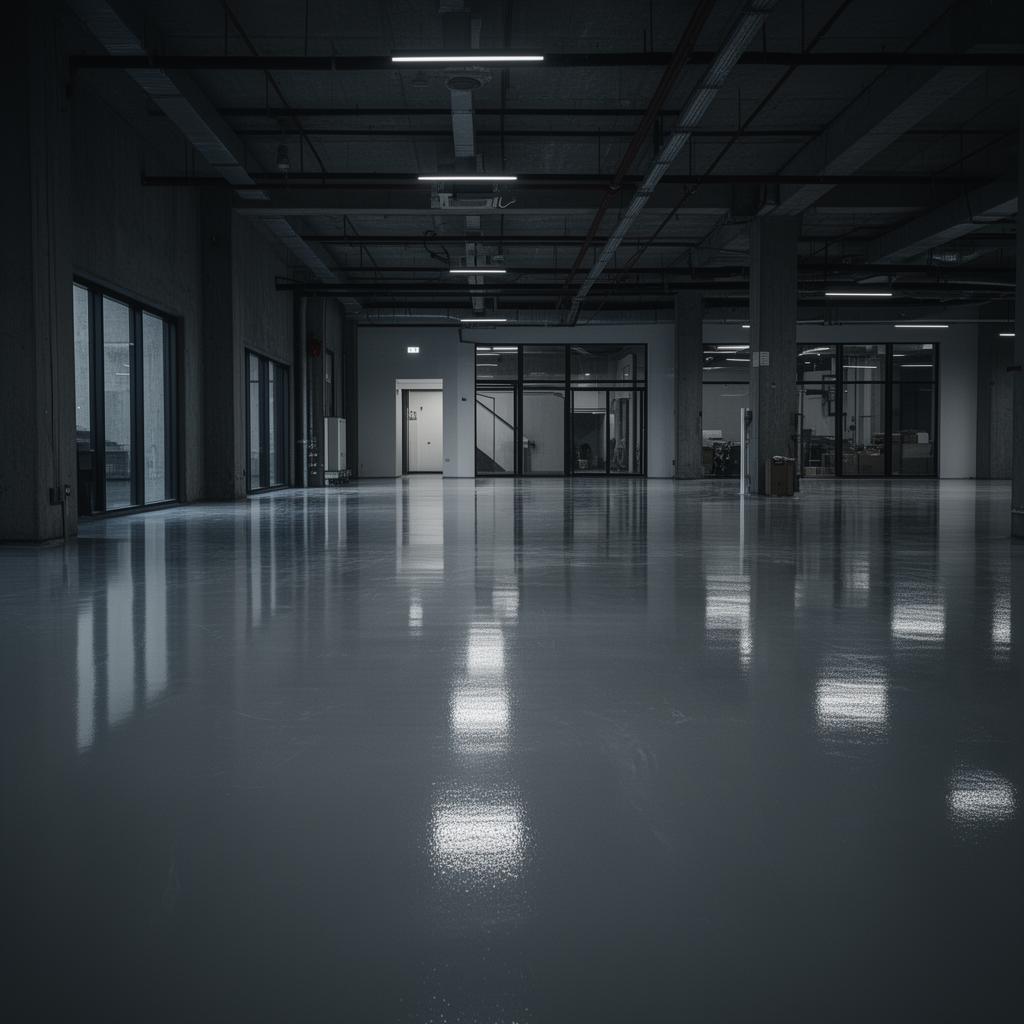
Typical work includes factory painting of walls, ceilings and roof steel, painting plant rooms and service areas, coating structural and exposed steelwork, and protecting tanks, pipework, guards and machinery surrounds. Floors are often treated as a separate package with their own coating system and programme.
On industrial units, the inside and outside may need different approaches: interior surfaces facing dust, forklifts and cleaning, and external steel and cladding facing weather. A survey of each area and how it is used produces a scope that separates these clearly.
Steel painting and corrosion protection
Steel painting starts with the condition of the existing coating and the extent of any rust. Loose rust and failed paint are removed by mechanical preparation, and the surface cleaned of oil and dust. Bare steel is primed promptly so it does not flash rust before the next coat.
Protective systems typically build up a primer, intermediate coat and finish, each chosen to work together. In damp, coastal or chemical-exposed areas, a more robust system with greater film thickness may be appropriate. Where structural steel needs fire protection, intumescent coatings follow the building's fire strategy and are a separate specification.
Tank painting
Tank painting depends on what the tank holds and whether the coating is inside or out. External surfaces are prepared and coated to resist weather and corrosion. Internal linings for water, fuel or chemicals are specialist systems that must be compatible with the contents, and may need confined-space working arrangements.
Tanks are emptied, cleaned and isolated before work begins, and seams, welds and fixings are given extra attention as common failure points. Curing times must be respected before the tank returns to service.
Working safely around production
Industrial sites have their own permits, inductions, isolations and exclusion zones. Painting is planned around shift patterns, shutdowns and deliveries, with access by towers, platforms or powered access where needed. Machinery, stock and finished goods are protected from dust and overspray.
Low-odour and fast-curing products help where areas must return to use quickly. Phasing the work by bay, line or zone keeps production running while each section is prepared and coated, and helps everyone on site know which areas are out of use.
Choosing a coating for the conditions
The right industrial coating depends on what the surface faces day to day. Areas washed down regularly need coatings that tolerate water and cleaning chemicals. Walls and columns struck by trolleys and forklifts benefit from tougher finishes or protective colour bands at low level. Warm plant rooms and surfaces near heat sources need products rated for the temperature, and areas handling food or chemicals may need hygiene-rated or chemically resistant systems.
Colour can also do practical work. Safety colours on guards, bollards and steps, light ceilings that improve the spread of lighting and consistent colours for services identification all make a site easier to run.
Programme and what affects the cost
The cost depends on the area and height of surfaces, the amount of rust and failed coating to remove, the coating system, access equipment and whether the work has to be done out of hours or during a shutdown. Tanks and plant add isolation and cleaning time.
Drawings, photographs, a description of conditions in each area and the windows when work can happen help produce a clear scope and quote. A written specification lists the preparation, products and coats for each surface so the work can be checked against it.
Related pages
Common questions
What is involved in industrial painting?
A survey of surfaces and conditions, a coating specification, surface preparation such as rust removal and cleaning, then primer and finish coats applied in phases around site operations.
Can painting be done while the factory is running?
Often, by phasing work by zone, working out of hours or during shutdowns, and protecting machinery and stock from dust and overspray.
How long does an industrial coating last?
It depends on preparation, the system chosen and the conditions. Thorough preparation and a system matched to moisture, abrasion and chemicals give the longest service life.
What affects the cost of industrial painting?
Surface area and height, the condition of existing coatings, the coating system, access equipment, isolations and when the work can be done.
Planning a commercial painting or decorating project?
Speak to a Hampshire commercial decorating contractor that turns up, communicates clearly and delivers a finish that lasts.