
Sympathetic period repainting shaped around Christchurch stock
The commonest failure mode we see on Christchurch period repaints is impermeable modern paint applied over lime plaster or breathable render — it blisters within two years. A period-specific spec avoids that from day one.
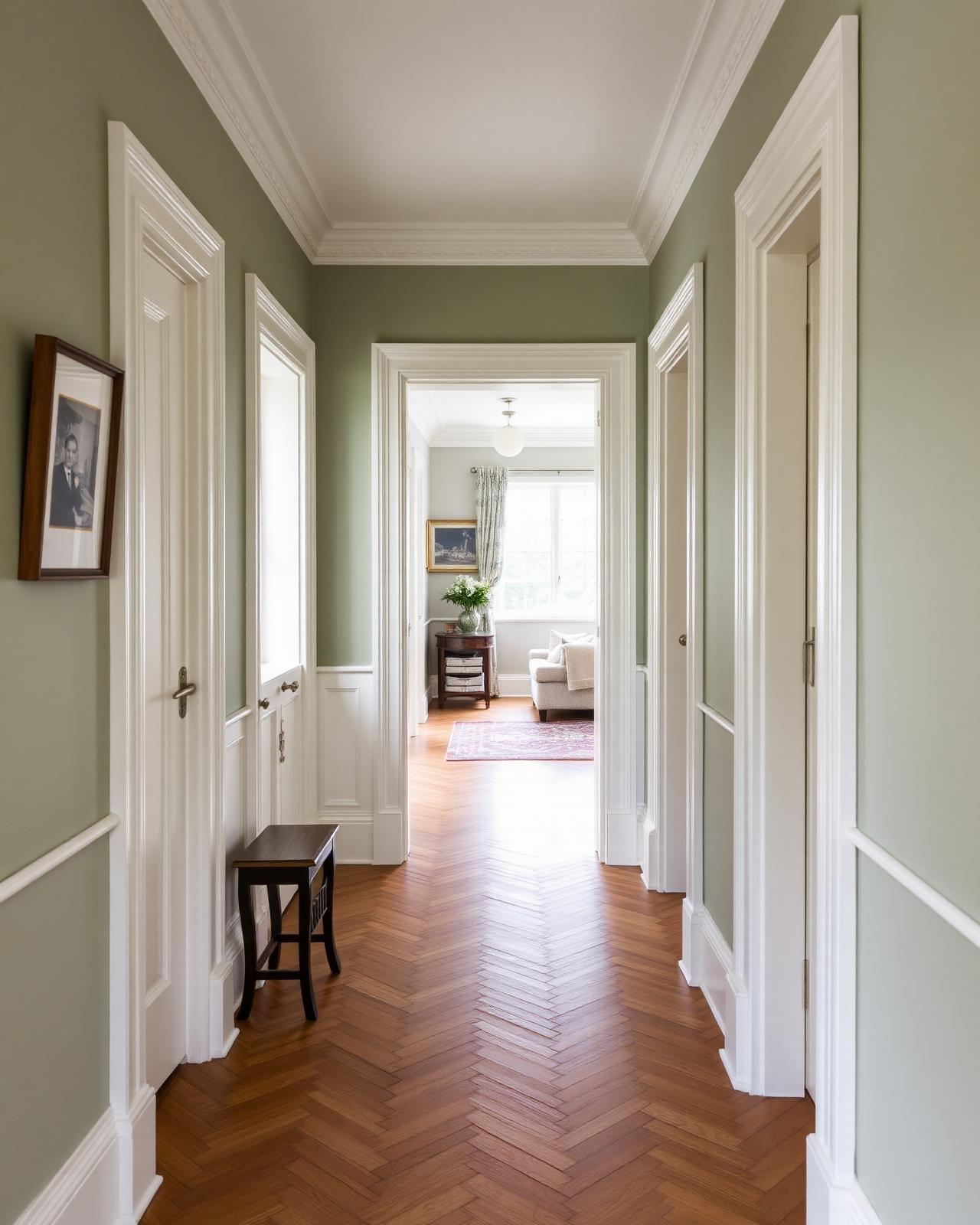
The typical period-house brief locally
Georgian and Regency townhouses around the Priory, Edwardian and inter-war seafront villas at Highcliffe and Mudeford, plus modern harbourside apartments at Stanpit and Bridge Street.
Audience: Owners of pre-1940s properties needing sympathetic full or partial repainting.
Where else we work each week
Priory conservation area and Mudeford Quay need low-impact welfare setups; airport-perimeter business-park work requires pre-cleared BOH security access.
- Mudeford
- Highcliffe
- Friars Cliff
- Burton
- Somerford
- Stanpit
Recent heritage repaint work
- Trusted with keys on unoccupied second-home projects
- Regular Victorian and Edwardian repaints across coastal and market towns
- Comfortable running breathable specs over lime substrates
- Detail-protection experience on cornice, ceiling rose and panelling
The next useful step is a room-by-room walk-round so we can map substrate, protection and colour choices onto a working schedule.
A period-first working scope
Practical decisions ahead of paint
Coordination with plasterers, joiners or electricians on wider refurb work
Whether the property is listed or in a conservation area
Substrate breathability — modern impermeable paints on lime cause blistering
Original mouldings and features worth reviving rather than overpainting
Phasing so owners can stay in-house through the works
Before we walk the house
Can we stay in the house during the work?
Yes — we phase period repaints room by room, dust-protect between zones and clean down every evening so the working part of the house doesn't spread into your living space.
How do you handle mouldings and cornice?
We mask and cut in by hand around original mouldings, and where paint build-up has softened detail we can carefully strip back to reveal the original profile before repainting.
Can you match a National Trust or Farrow & Ball palette?
Yes — we sample and match to Farrow & Ball, Little Greene, Edward Bulmer, Papers & Paints and Paint & Paper Library. Brush-out samples are provided before full application.
How long does a whole-house period repaint take?
A three-bed Victorian semi typically runs 3–4 weeks including preparation and touch-ups. Larger Edwardian and Georgian homes phase over 5–8 weeks depending on ceiling heights and detail.
Explore more of the site
The sensible next step
The next useful step is a room-by-room walk-round so we can map substrate, protection and colour choices onto a working schedule.
Request a phased period repaint quotePlanning a commercial painting or decorating project?
Speak to a Hampshire commercial decorating contractor that turns up, communicates clearly and delivers a finish that lasts.