Coating selection

Sacrificial or permanent: choosing an anti-graffiti coating

Anti-graffiti coatings fall broadly into two families. Sacrificial systems are removed along with the paint each time they are cleaned, while permanent systems stay in place and let solvents lift the graffiti off a non-stick surface repeatedly.

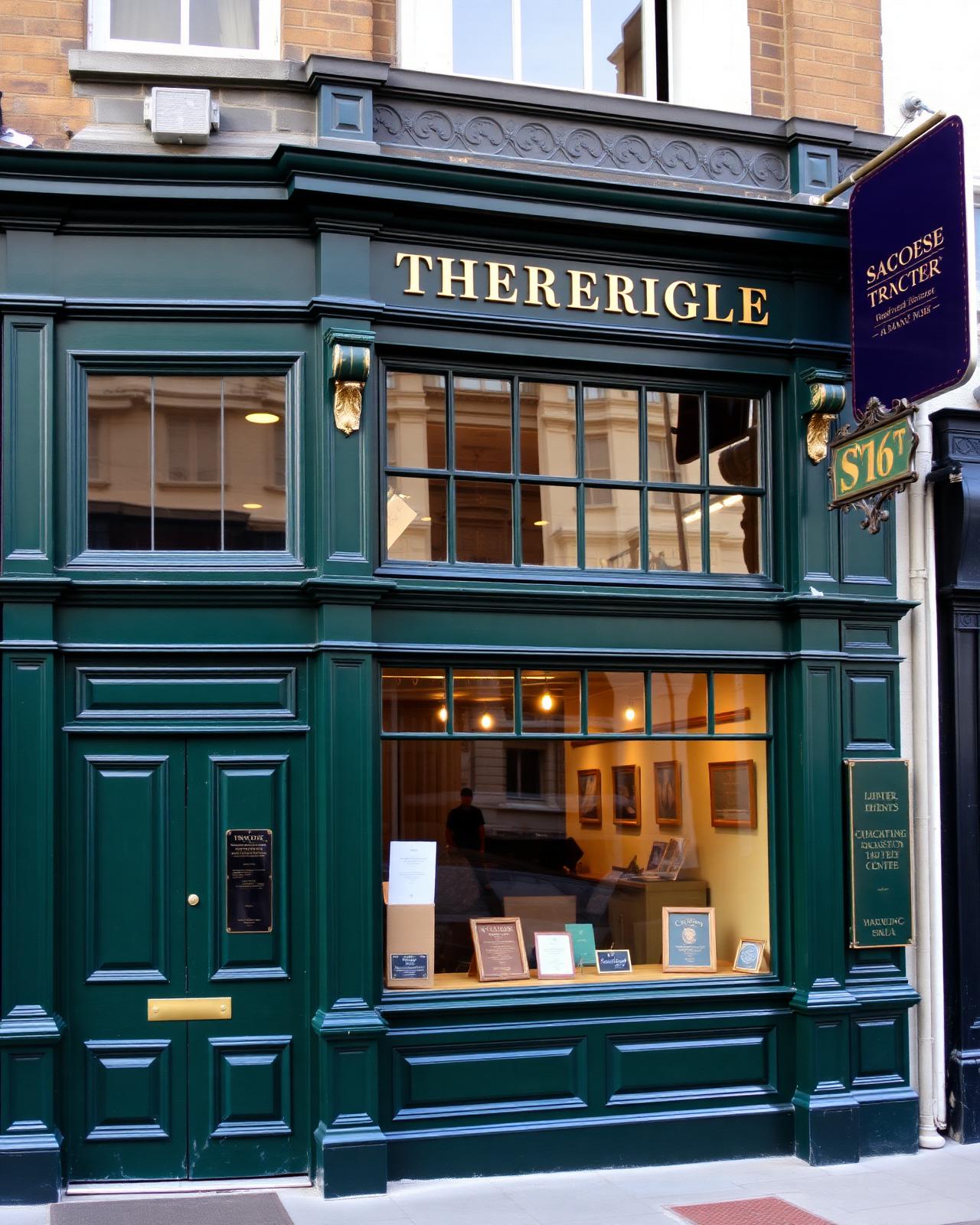
Anti-graffiti coating being applied to a shopfront return wall

How sacrificial coatings work in practice

A sacrificial wax or polymer layer is stripped off with the graffiti during cleaning, taking the paint with it, and then reapplied afterwards. It is a lower upfront cost but needs reapplying every time, which adds up on frequently targeted walls.
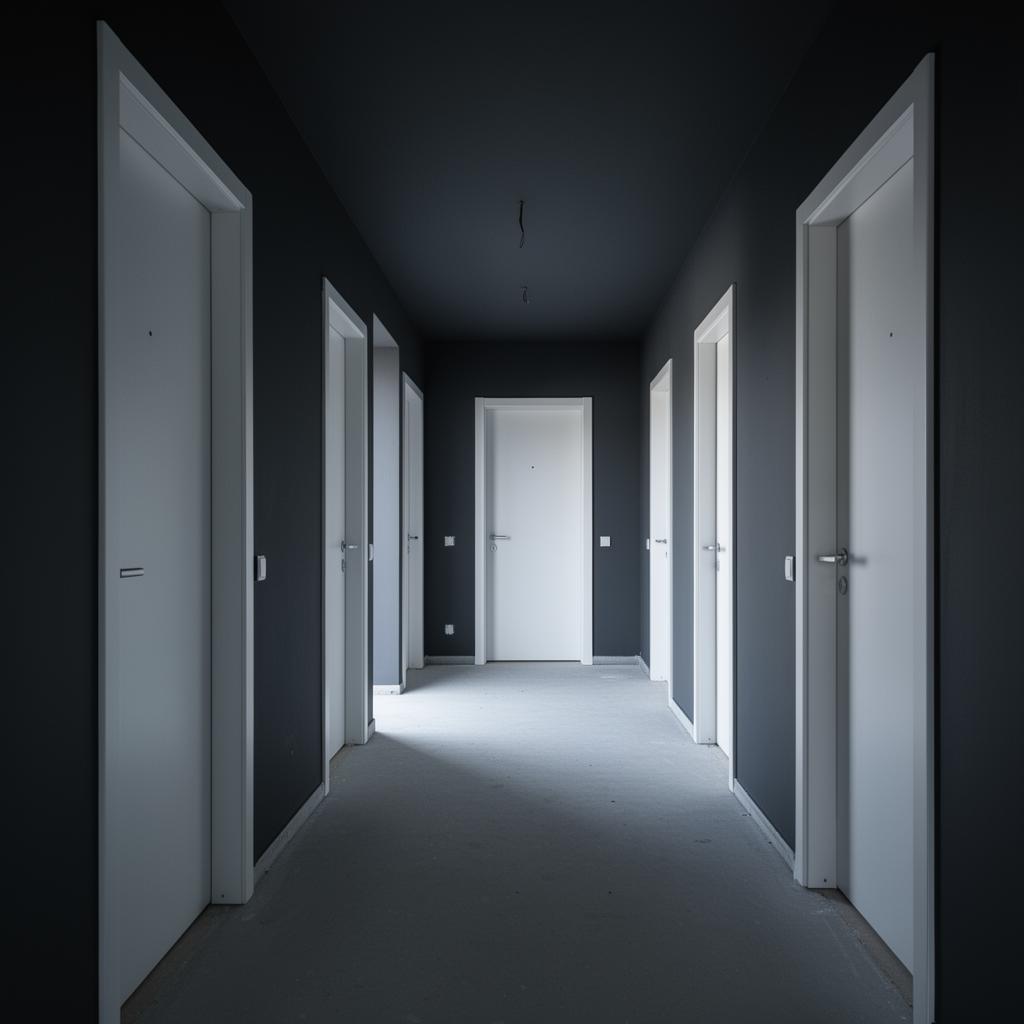
Cleaned wall surface after graffiti removal from a permanent anti-graffiti coating

How permanent coatings differ

Permanent anti-graffiti coatings create a durable non-porous surface that solvents can clean without stripping the coating itself, so there is no need to reapply after every incident, though the initial system costs more to install correctly.

  • Sacrificial: lower upfront cost, reapplication after every clean
  • Permanent: higher initial cost, cleans without reapplication
  • Substrate porosity affects which system will actually bond

Matching the system to how often a wall gets hit

For a wall targeted rarely, a sacrificial coating kept in stock for occasional touch-ups can be perfectly practical. For a location targeted repeatedly, the labour saved by not reapplying a permanent system after each clean usually justifies the higher initial spend.

  • Rarely targeted elevations: sacrificial coating often sufficient
  • Frequently targeted sites: permanent system reduces ongoing labour
  • Porous stone or brick: system choice narrows depending on the substrate

How we work on this

  • We match coating type to substrate porosity before specifying anti-graffiti systems.
  • We advise honestly on which system suits how often a wall is actually targeted.
  • We keep detailing around signage and fixings clean during application.

Questions we are asked about this

Which system is cheaper over several years?

It depends on how often the wall is targeted. Sacrificial coatings cost less initially but need reapplying after cleaning, so frequent incidents favour a permanent system instead.

Can either coating go on brick or stone?

Both can be formulated for porous substrates, though the correct primer and coating type differ from what would be used on smooth render or metal.

Does the coating stop graffiti happening in the first place?

No — it only affects how easily it can be removed afterwards. It is a cleaning strategy, not a deterrent on its own.

Tell us how often the wall gets targeted and we will recommend sacrificial or permanent coating.

Sacrificial and permanent anti-graffiti coatings solve the same problem differently, and the right one depends on how often the wall is hit.

Start your project

Planning a commercial painting or decorating project?

Speak to a Hampshire commercial decorating contractor that turns up, communicates clearly and delivers a finish that lasts.