
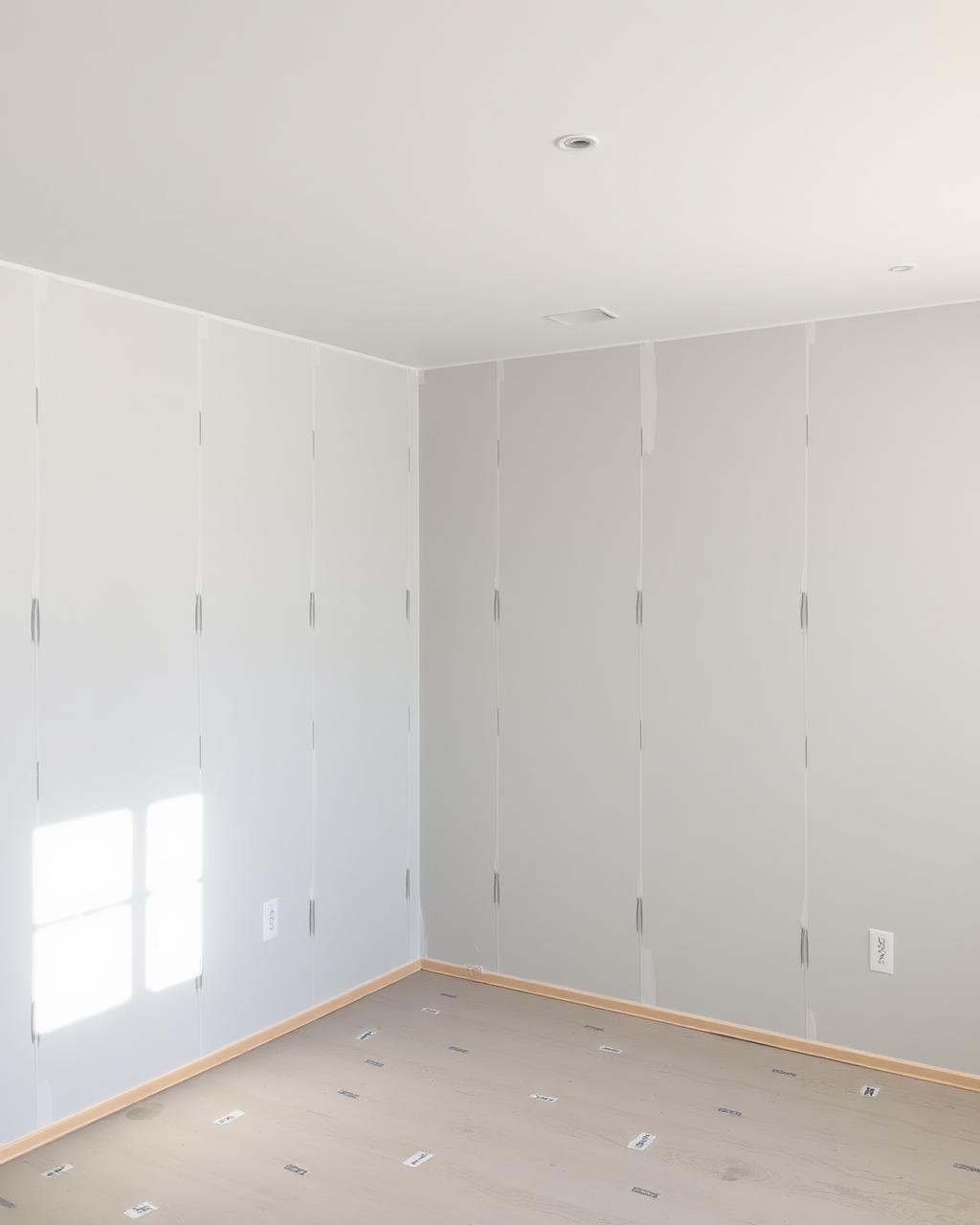
End of tenancy across Portsmouth rentals
A licensed HMO in Southsea has to satisfy two different people at once, an incoming tenant who wants a clean room, and a council officer who wants the escape route and shared kitchen kept to standard. End of tenancy work here covers both.
Access in Portsmouth
Street parking in central Southsea is tight, so we build permit or resident-bay arrangements into the plan before the day, and we're happy working from a lockbox or a set of keys held by a local managing agent rather than needing someone present.
Why agents repeat-book this
Landlords who keep a colour and finish record with us spend less at each subsequent check-out, because more of the property can be touched in rather than repainted.
The Portsmouth lettings picture
Portsmouth is one of the most densely built cities on the south coast, and a lot of that stock in Southsea and Eastney is Victorian terracing now split into flats or run as licensed HMOs. That density brings its own logistics: narrow streets, limited parking and, in many cases, mandatory HMO licensing standards that decorating has to fit around rather than ignore.
Room turnover without touching the licence conditions
When one room in a converted terrace changes hands, we redecorate that room without disturbing the fire doors, intumescent strips or smoke seals in the corridor outside it. A painted-over strip is a common licensing snag, so we work carefully around it rather than sweeping a roller down the hallway while we are there.
- Room repainted without affecting shared corridor finishes
- Fire door seals and closers left untouched
- Kitchen grease and staining assessed against the licence standard, not just appearance
Narrow terraces mean careful sequencing
Many Southsea conversions have shared side access and thin staircases, so if only one flat in the building has changed hands we protect the shared route rather than treating the whole building as available. Other tenants keep a clear, usable stairwell throughout.
PO1 to PO6
What we do at the property
We quote from what is there, not a template. On Portsmouth instructions the work usually includes the following.
- Full repaint only in rooms that will not read evenly after touch-in
- Nicotine, cooking grease and candle-soot sealing before repainting
- Arrange resident permit or parking suspension in advance
- Confirm key or lockbox access for a converted terrace with multiple flats
Programme and turnaround
Room-by-room turnovers in licensed HMOs are usually a one to two day job once the outgoing tenant's report is confirmed. Street parking in central Southsea is tight, so we build permit or resident-bay arrangements into the plan before the day, and we're happy working from a lockbox or a set of keys held by a local managing agent rather than needing someone present.
- Full flat turnaround in a converted Southsea terrace between tenancies
- Quick refresh of a Gunwharf apartment timed around a tight check-in date
What goes on the walls, and why
Batch-matched to the landlord's recorded scheme wherever one exists, so a touched-in wall does not flash under daylight and force an unnecessary full-wall repaint. Identify communal areas that need prioritising for an inspection
Landlords who keep a colour and finish record with us spend less at each subsequent check-out, because more of the property can be touched in rather than repainted.
Landlord questions, answered
Does redecorating one room affect our HMO licence status?
No, provided fire doors, seals and escape routes are left intact, which is how we work. We will flag it clearly if anything in the corridor needs separate attention.
Can you tell the difference between HMO wear and something we should raise with the leaving tenant?
Yes. Scuffed paint at door height and general marking is typical shared-house wear. Holes, burns or heavy staining beyond that we note separately.
Parking is a nightmare near us, does that delay the job?
We check permit and suspended-bay requirements before the day rather than turning up and hoping, so it should not cost you time.
Can you tell me what is fair wear and tear?
We can describe the condition and its likely cause in writing. Whether a deduction is allowable is set by the tenancy agreement and, in dispute, by the deposit protection scheme.
Do you cover the whole of Portsmouth?
Yes, PO1 to PO6 and the surrounding Hampshire villages. Agents in Portsmouth usually give us several addresses at once, which is how we keep the response quick.
Tell us which room has changed hands and we will price it without disturbing the rest of the house. We quote Portsmouth lettings work free of charge, and the team on site is employed by us rather than subcontracted.
Planning a commercial painting or decorating project?
Speak to a Hampshire commercial decorating contractor that turns up, communicates clearly and delivers a finish that lasts.