
Lead paint in older properties, what to check before you disturb it
Lead was a common ingredient in gloss and undercoat paints in the UK for most of the twentieth century and was not fully phased out of domestic decorative paint until the early 1990s. If your property was built or last decorated before then, any old paintwork on woodwork, metalwork or older wallpaper layers should be treated as a possible lead source until proven otherwise. This is not a reason to panic, but it does change how preparation is carried out, particularly sanding, heat stripping and demolition-style work near skirtings, doors, windows and railings.
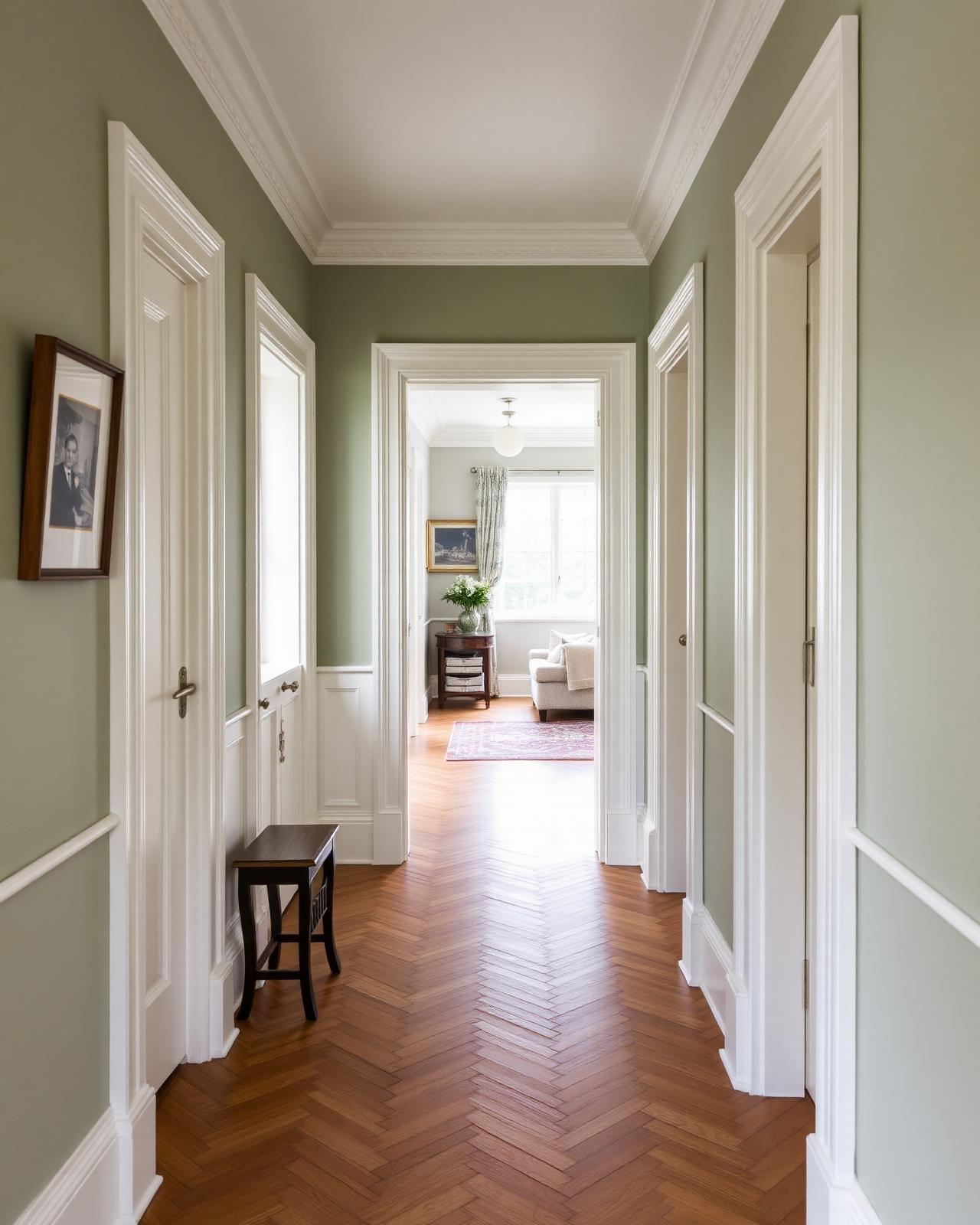
Where lead paint is most likely to be found
Lead paint was used most heavily on joinery and metalwork rather than wall emulsions, because it gave a hard, durable, quick-drying finish that suited gloss and enamel work. It is most often found under many later coats rather than on the surface, so a property that looks freshly painted can still have lead buried in the paint history.
- Skirting boards, door frames and internal doors
- Window frames, sashes and glazing bars
- Metal railings, gates and radiators
- External soffits, fascias and barge boards
- Older stairs, banisters and picture rails
Testing rather than guessing
Visual age is not a reliable test on its own. Where there is any doubt on a pre-1992 property, a lead paint test kit or, for larger or commercial jobs, a laboratory paint sample gives a proper answer before work starts. This matters most where children, pregnant occupants or extensive sanding are involved, because the risk comes from dust and paint chips being ingested or inhaled, not from an intact painted surface being left alone.
What must never be done to suspected lead paint
Certain preparation methods are specifically dangerous with lead paint because they generate fine airborne dust or fumes, and these are the methods most likely to cause exposure to occupants and operatives alike.
- Dry power sanding without extraction
- Uncontrolled heat gun or blowtorch stripping, which produces toxic fumes
- Grinding, needle gunning or abrasive blasting without containment
- Sweeping up paint dust or chips dry
Safer methods when lead is present or suspected
Where lead paint is confirmed, work under the Control of Lead at Work Regulations 2002 uses controlled methods, wet sanding to keep dust down, chemical strippers used with proper ventilation and disposal, or sanders fitted with dust extraction and HEPA filtration. Encapsulation, sealing sound lead paint under a suitable barrier coating rather than removing it, is often the most practical and lowest-risk route where the existing paint is stable and well adhered.
Duties for landlords, employers and contractors
Under the Control of Lead at Work Regulations 2002, anyone carrying out work likely to disturb lead paint has a legal duty to assess the risk, control exposure and, where relevant, monitor it. Landlords and employers commissioning refurbishment work should ask contractors directly what precautions they will take and expect a clear answer, not a shrug.
- Risk assessment before any stripping or heavy sanding begins
- Suitable PPE and respiratory protection where dust is unavoidable
- Controlled containment and correctly labelled waste disposal
- Records kept of testing and control measures on larger jobs
Living in the property during works
On occupied jobs we plan around the room being worked in, sealing it off, using dust sheets and extraction, and cleaning down thoroughly with a suitable vacuum before the space is handed back. Children and pregnant occupants are kept out of the work area entirely while stripping or sanding suspected lead paint is underway, and food preparation surfaces are protected or avoided nearby.
Disposal of lead paint waste
Paint chips, sanding residue and stripped material from confirmed or suspected lead paint should not go into general household or commercial waste. Depending on the quantity and concentration, this waste may need to be treated as hazardous and taken to a facility licensed to accept it, with appropriate records kept for commercial jobs. Double-bagging waste at source, labelling it clearly, and avoiding any sweeping or handling that could release dust are straightforward habits that reduce risk right through to final disposal, not just during the stripping itself.
Want a professional to handle it?
Need this done? Get a quote from Dynamic Decorating for domestic decorating.
Common questions
How do I know if my house has lead paint?
If the property or the paint layers on woodwork predate 1992, treat it as possible until a test kit or laboratory sample confirms otherwise. Age alone is not proof either way.
Is it dangerous to leave lead paint alone?
Sound, intact lead paint that is not being sanded, scraped or heated is generally low risk. The danger comes from disturbing it into dust or fumes during preparation work.
Can I remove lead paint myself?
Small domestic jobs can sometimes be done safely with wet methods and proper PPE, but larger areas, demolition-type work or anything with vulnerable occupants nearby should go to a contractor experienced in the Control of Lead at Work Regulations 2002.
What is encapsulation and is it a proper fix?
Encapsulation seals stable lead paint under a barrier coating rather than removing it, and is a recognised, practical approach where full removal would be more disruptive or risky than the paint itself.
Do landlords have specific legal duties around lead paint?
Landlords commissioning work that disturbs lead paint fall under the same duty to control exposure as any other party instructing the work, and should confirm their contractor has a suitable method statement.
Does this affect the whole house or just old paint layers?
It affects any surface with paint history predating 1992, most commonly joinery and metalwork rather than wall emulsion, so a survey usually focuses on doors, windows, skirtings and railings first.
Related services
Covering Hampshire and the South Coast
Read next
Next step
If your property has older paintwork you're planning to disturb, ask us for a survey so we can confirm testing and the safest method before any work starts.
Request a surveyPlanning a commercial painting or decorating project?
Speak to a Hampshire commercial decorating contractor that turns up, communicates clearly and delivers a finish that lasts.