
Eliminating brush marks and roller stipple
Raking light across a wall or a run of joinery exposes every ridge in the film. Getting rid of those marks is about sheen choice, tooling and wet-edge control rather than buying more expensive paint.
Sheen amplifies everything
The higher the sheen, the more the surface behaves like a mirror. A mid-sheen eggshell on a wavy wall will show every imperfection that a matt would have hidden.
Tooling and nap length
Short-nap microfibre or mohair sleeves lay off far flatter than a general-purpose medium pile. On joinery, a good synthetic brush with water-based paint, or spraying, avoids the drag lines a worn brush leaves.
Wet edge and overworking
Water-based trade paints set quickly. Working back into a section that has begun to skin drags the film and leaves ridges, so we work in manageable bays and lay off in one direction.
When spraying is the right answer
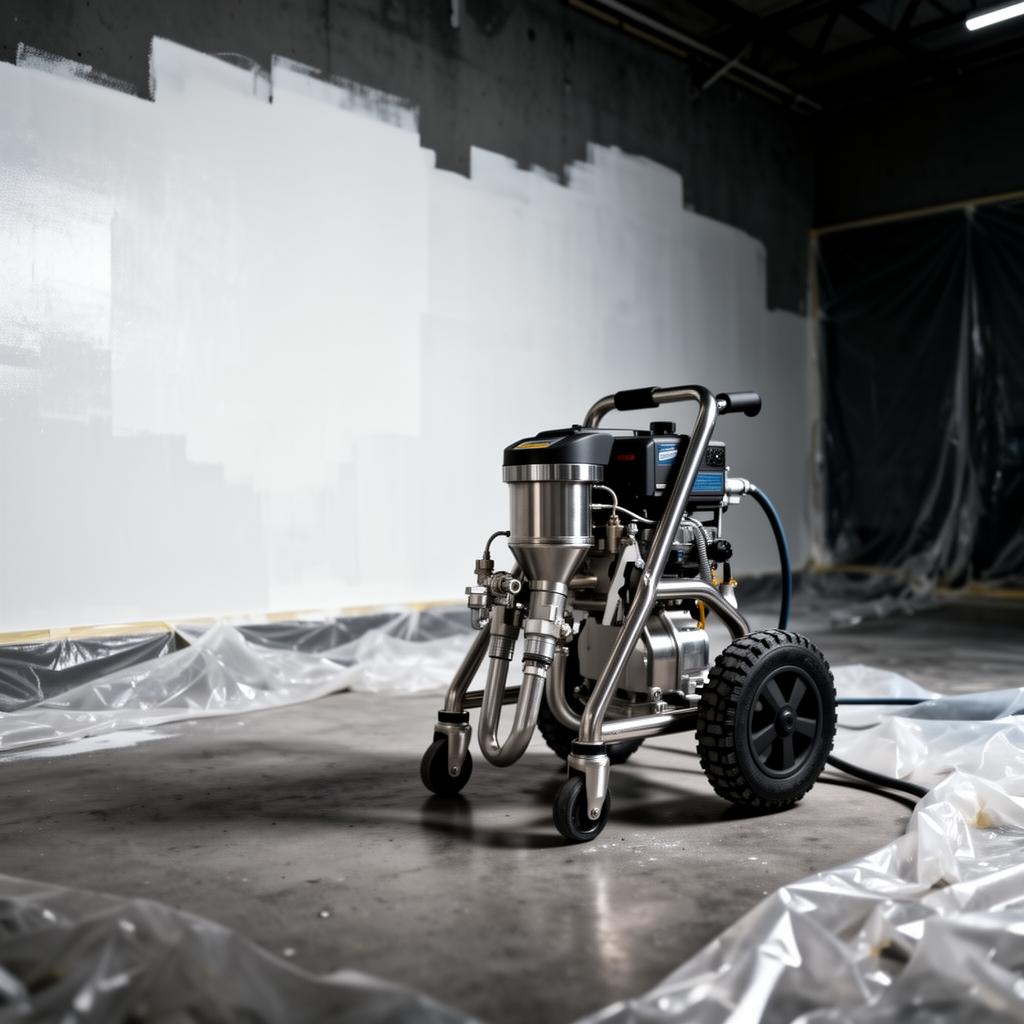
For large flat planes, ceilings and volume joinery, airless or HVLP spraying removes the tooling question entirely and produces a uniform film that brush and roller cannot match.
Want a professional to handle it?
Need this done? Get a quote from Dynamic Decorating for spray finishing.
Common questions
Why can I see roller marks after two coats?
Usually a long-nap sleeve, an overworked wet edge, or a sheen level that exaggerates texture.
Does more expensive paint remove brush marks?
Better paints flow more, but technique and tooling matter more than price.
Is spraying always smoother?
For flat planes and joinery, yes, provided masking and preparation are done properly.
Can a poor wall surface be made flat?
Filling, sanding and sometimes lining paper get you there; paint on its own won't.
Related services
Covering Hampshire and the South Coast
Read next
Next step
Ask about spray-applied finishes if a flawless flat finish matters to you.
Request a surveyPlanning a commercial painting or decorating project?
Speak to a Hampshire commercial decorating contractor that turns up, communicates clearly and delivers a finish that lasts.